
4. The Dangers of Smoking: Understanding the Impact on Your Health
Smoking, vaping and using shisha is akin to inviting a harmful presence into your body, which can lead to a wide array of health problems. The consequences of smoking, vaping and shisha extend far beyond the lungs, affecting nearly every organ and system in the body.
In addition to the health risks, smoking 1 pack of cigarettes per day can cost you over $15,000 dollars a year – money you could be spending on yourself or your loved ones.
Health Risks Associated with Smoking:
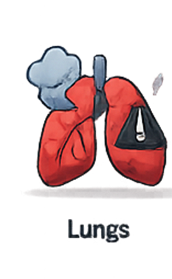 Smoking is a major cause of respiratory issues such as chronic coughing, shortness of breath, and serious conditions like lung cancer, chronic obstructive pulmonary disease (COPD) – emphysema – where the airways and lung tissue becomes destroyed.
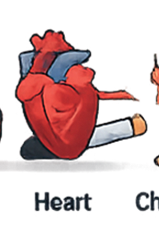
Smoking significantly increases the risk of cardiovascular diseases, including coronary artery disease, high blood pressure, and stroke.
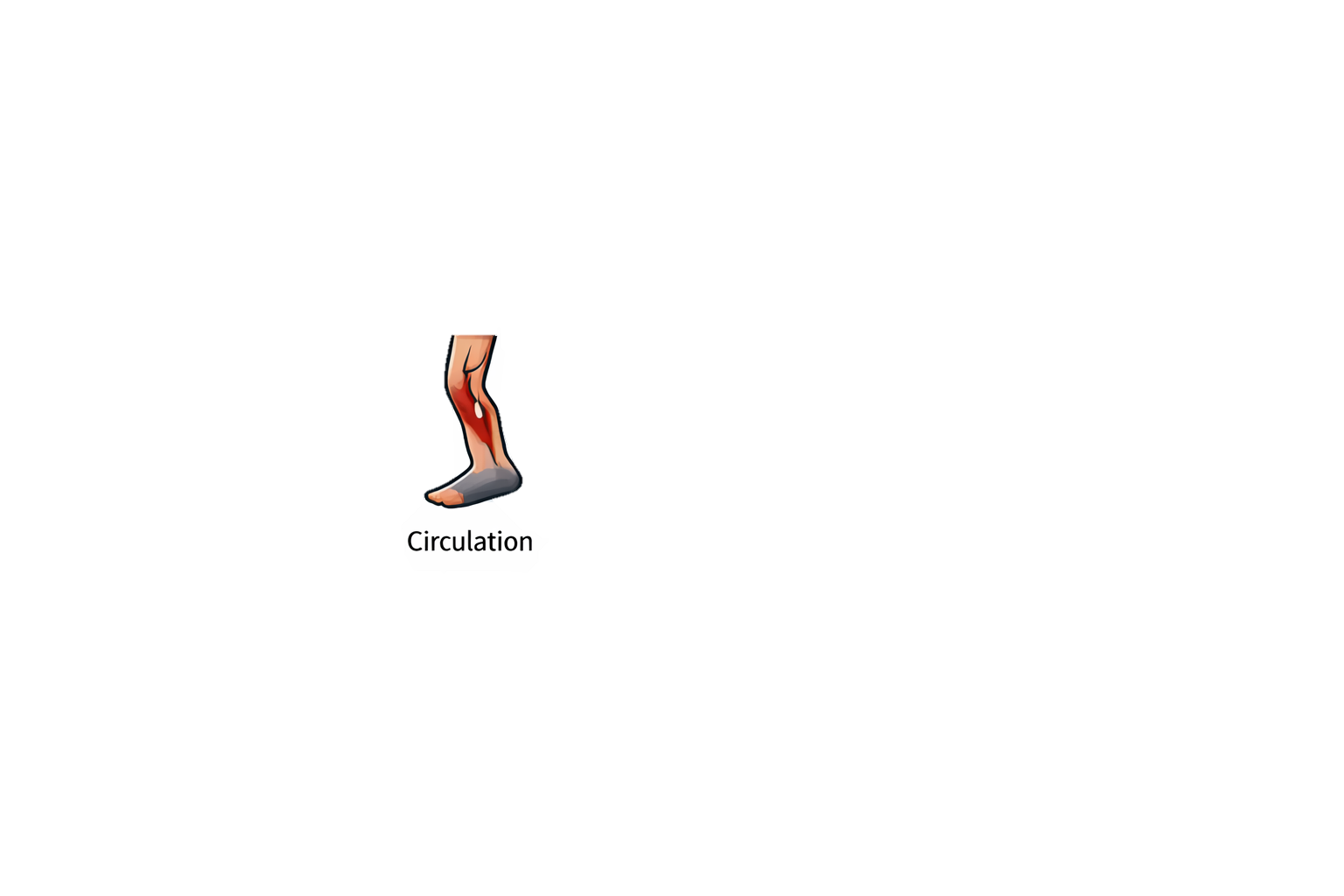 Smoking contributes to peripheral vascular disease, a condition where blood flow to the legs is reduced, causing pain, ulcers, and an increased risk of infections and gangrene.
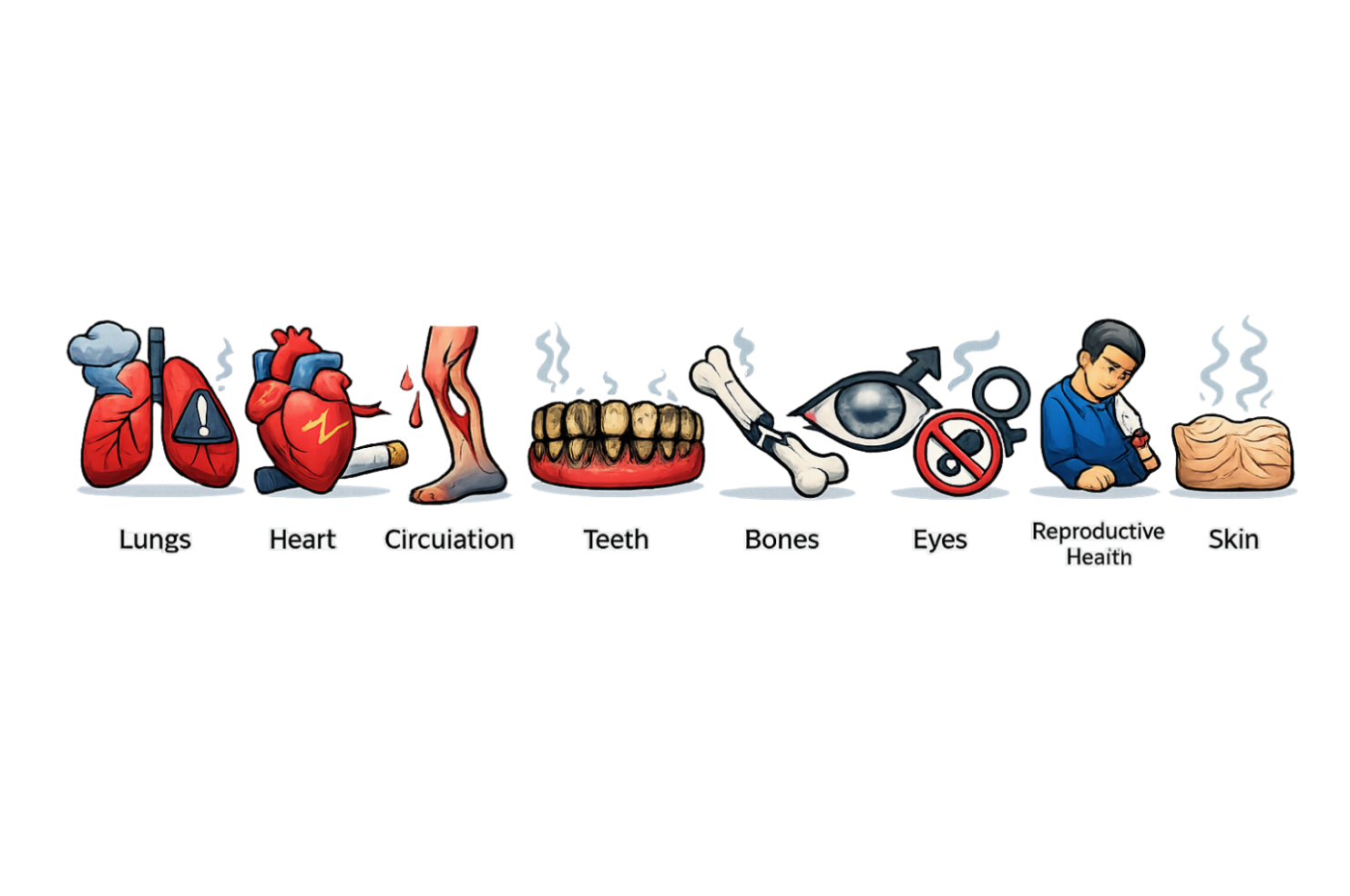 Skin: Smoking accelerates the aging process, leading to premature wrinkles and a dull, unhealthy complexion.
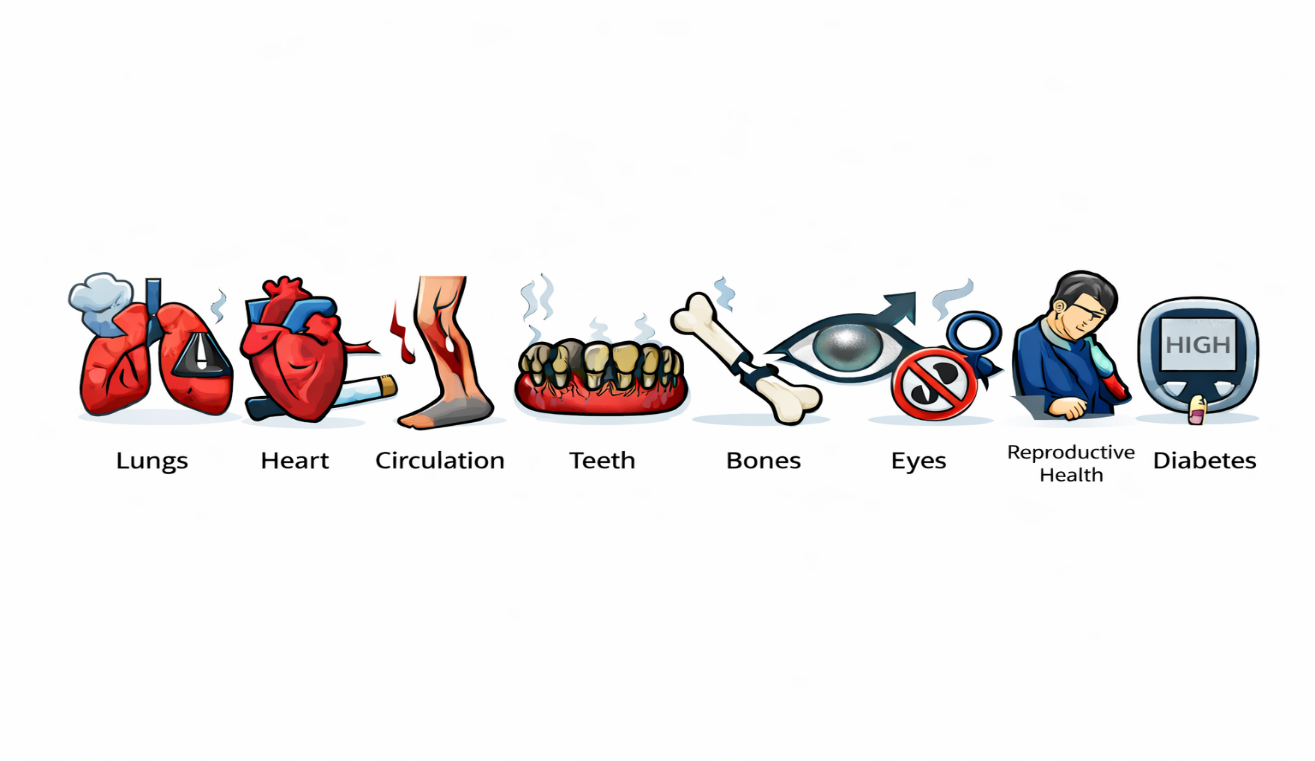 Smokers are at a higher risk of developing yellowed teeth, persistent bad breath, and gum disease.
 Smoking weakens the bones, increasing the likelihood of fractures and impairing bone healing.
 Smoking increases the risk of eye diseases, including cataracts and age-related macular degeneration, both of which can compromise vision.
 Smoking can lead to erectile dysfunction making it difficult to achieve or maintain an erection. Additionally, it can reduce fertility in both men and women by negatively impacting sperm quality and reproductive function.
 Smoking around women during pregnancy risks harming the development of their baby, with potential complications such as low birth weight, premature birth, and developmental delays.
 Smoking is a risk factor for the development of type 2 diabetes and may worsen complications in those already diagnosed with the condition.
Strategies for Quitting Smoking:
Quitting smoking is challenging, but it is one of the most impactful steps you can take to improve your health. Here are some effective strategies to help you kick the habit:
Set a Quit Date: Choose a specific day to stop smoking, marking it as the beginning of your smoke-free life.
Seek Support: From people around you (friends, family and work colleagues). Engage with a healthcare professional or join a support group – which can be online. Having a strong support system can significantly increase your chances of success.
Find Alternatives: Substitute smoking with healthier alternatives such as chewing gum, snacking on fruits or vegetables, or drinking water. Keeping your hands and mouth busy can help manage cravings.
Stay Active: Physical exercise not only helps reduce stress but also keeps your mind occupied and less focused on the urge to smoke.
Celebrate Milestones: Recognize and celebrate your progress. Reward yourself for each day you remain smoke-free, as it helps reinforce your commitment to quitting.
Where to get help:
There are several resources available to you for quitting smoking, including:
- Quitline (13 78 48 / 13 QUIT): A confidential, evidence-based counselling service available in every state and territory. It provides trained counsellors to provide tailored support, helping you to set a quit plan, manage cravings and offer encouragement. There are interpreters available for counselling in your language
- Quit.org.au: The Quit website provides information, tools and resources, including quit plans, tips and motivational support.
- BeSmokeFree.com.au: An online South Australian initiative designed to support people in quitting smoking in a way that suits their individual needs.
- My QuitBuddy app – visual, easy-to-use tool for tracking progress & managing cravings –
Web: www.quit.org.au/en/tools/my-quitbuddy-app
- Tackling Tobacco Program: Step-by-step program by Cancer Council SA to reduce smoking and vaping harm
Web**:** Tackling Tobacco Program | Cancer Council SA
- Quit Your Way in May: Promotes quitting in a way that works for the individual
Web quityourwayinmay.com.au/
- Incentive to Quit program (I2Q) : A pilot program that tests whether incentives, in the form of supermarket vouchers, help people quit smoking or vaping
Web: https://houdresearch.com.au/i2q/
- My QuitBuddy App: A free app offering tips, distractions, progress tracking and reminders to help you stay smoke-free.
- Tackling Indigenous Smoking (TIS)
National program that supports Aboriginal and Torres Strait Islander people to reduce smoking through prevention, education, and quit support. Delivered by local Aboriginal health organisations.
Website: https://www.health.gov.au/our-work/tackling-indigenous-smoking - TIS – Aboriginal Health Council of SA (local delivery)
South Australian delivery of the Tackling Indigenous Smoking program through community-led activities and health promotion.
Website: https://ahcsa.org.au/programs/tackling-indigenous-smoking/
While quitting smoking and vaping can be difficult, the benefits for your health are immense. Not only will you reduce your risk of serious diseases, but your body will begin to recover and improve almost immediately after you quit. By taking the necessary steps and seeking support, you can overcome this addiction and enjoy a longer, healthier life.