
1. Sedentary Behavior: Understanding the Risks and Finding Solutions
Sedentary behavior refers to prolonged periods of sitting or lying down, with minimal physical activity. Common activities such as watching television, driving, or using a computer for extended hours can contribute to a sedentary lifestyle. It’s important to note that this issue isn’t about occasional relaxation, but rather the excessive time spent in a seated or inactive position throughout the day.
How much sitting is too much?
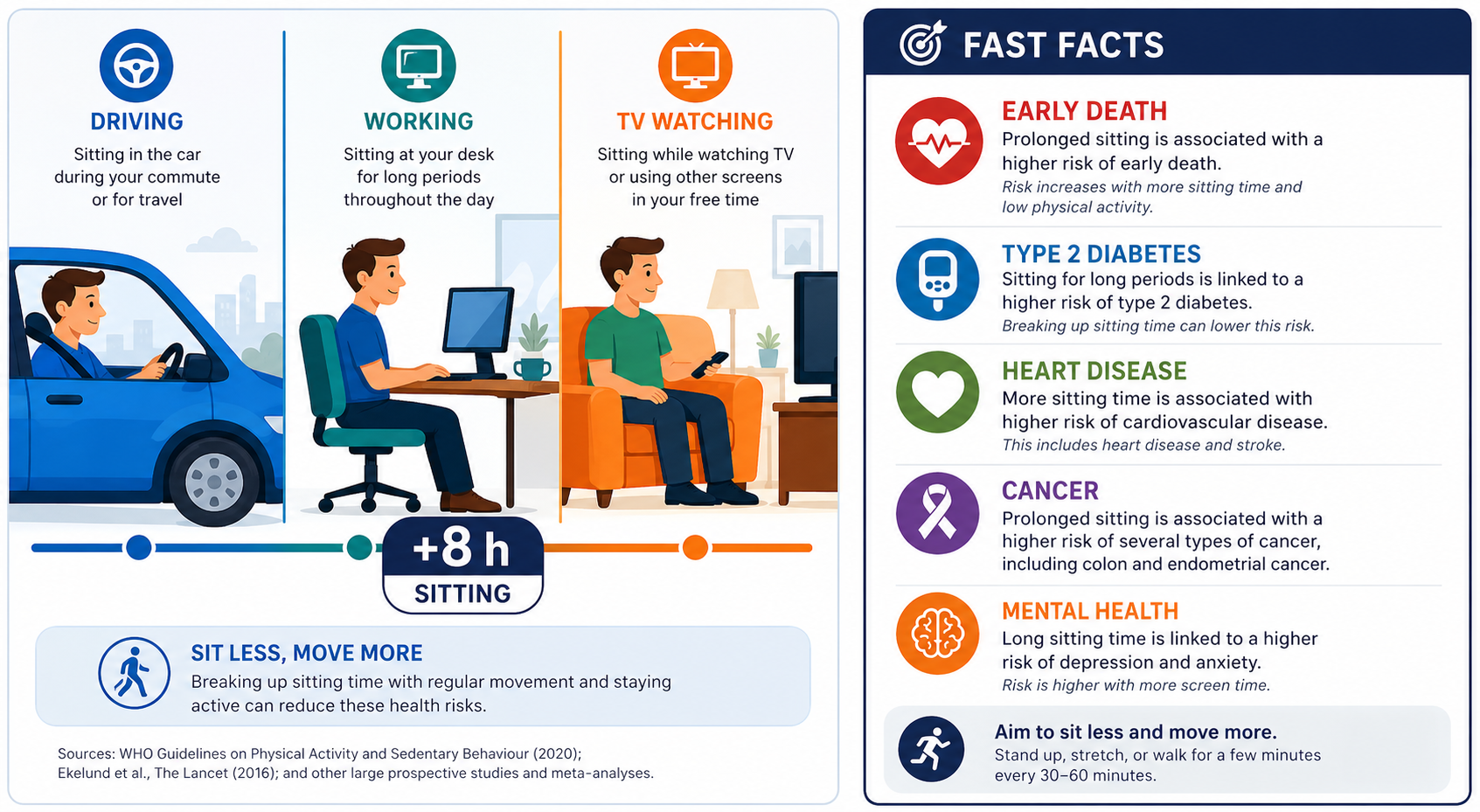 As a general guideline, sitting for more than eight hours a day, particularly without breaks for physical activity, is linked to a range of health risks. This is like the condition of a car that remains idle in the garage for too long, it eventually deteriorates and performs poorly when needed.
Health Risks of a Sedentary Lifestyle
- Cardiovascular disorders. Prolonged sitting can significantly increase the risk of heart, blood vessel disease and stroke. The heart and blood vessels, much like any mechanical system, require regular activity to function optimally. Lack of activity causes a malfunction
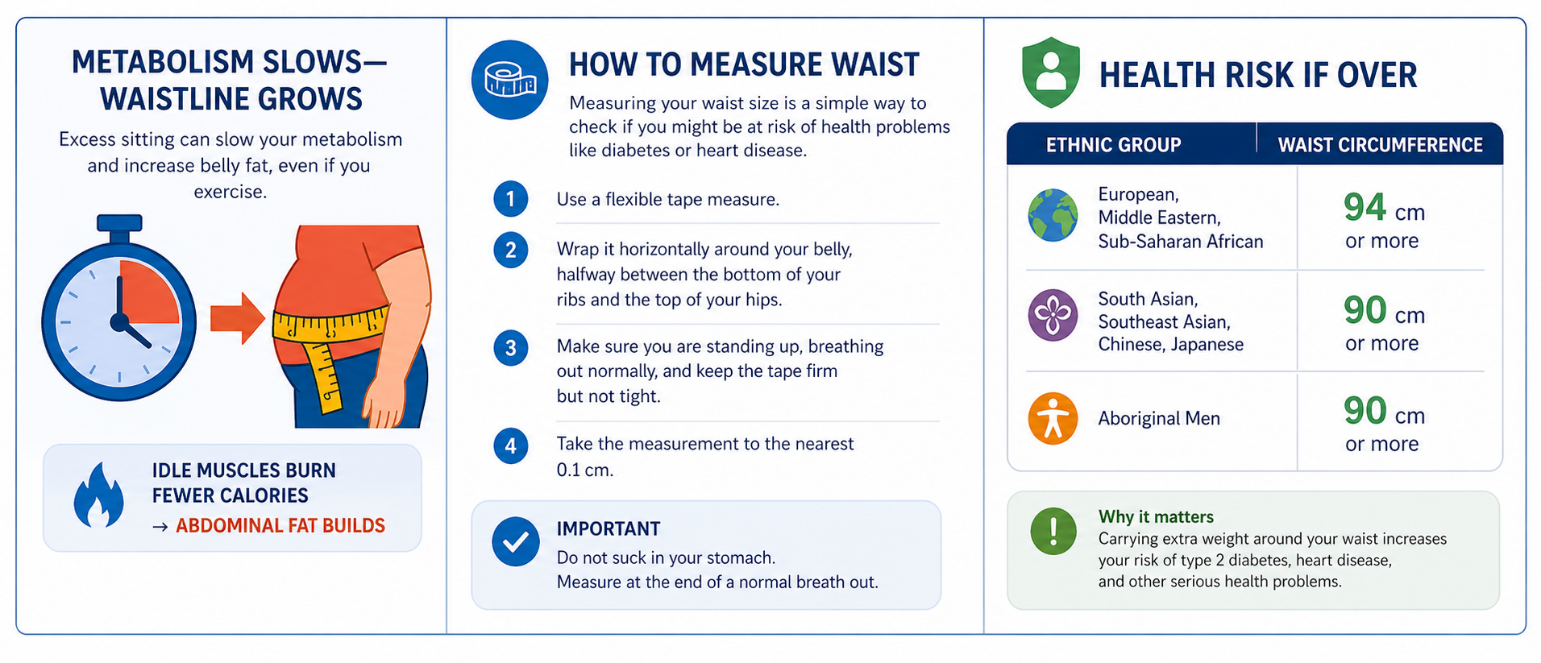 Weight Gain: Excessive sitting slows metabolism, increasing the accumulation of fat in the belly. This increases the risk of diabetes, heart disease and many other chronic conditions.
 Increased Risk of Type 2 Diabetes: A sedentary lifestyle can impair the body’s ability to regulate blood sugar, increasing the risk of developing type 2 diabetes and other metabolic disorders.
 Mental Health: Physical inactivity can negatively impact mental health. Regular movement improves mood and energy levels. Prolonged sitting is often associated with feelings of anxiety and depression.
 How to Combat Sedentary Behavior
To avoid the negative effects of prolonged sitting, consider incorporating the following habits into your daily routine:
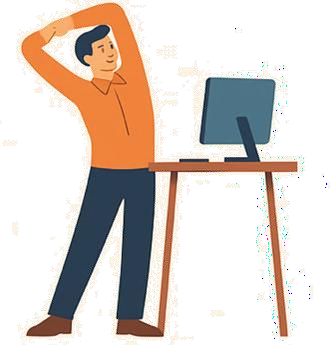
- Take Breaks: Aim to stand up and stretch every 30 minutes. This can be achieved by
 using a standing desk, or by standing and moving around during the day.
 - Walk While on the Phone: Instead of sitting down during phone calls, take the opportunity to walk around, which helps keep your body active.
 Move and Socialize: Invite a friend or family member to join you for a walk or other physical activity. It’s a great way to combine socializing with exercise. Less sitting around and more movement will improve your health, prevent chronic disorders, boosts energy, mood, and long-term well-being. Make these simple adjustments, and step toward a healthier, more active lifestyle.
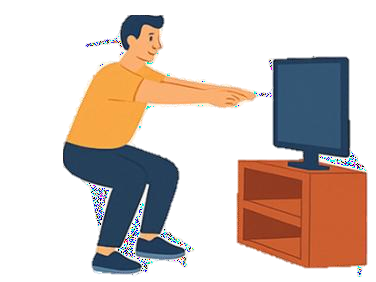
- Move while watching television or using a computer, take breaks during commercial breaks or between episodes to stand, do stretches, or perform simple exercises such as squats or push-ups.
Adapt Movement to Your Abilities:
If you live with disability, injury, or chronic pain, it is still important to break up long periods of sitting. Movement may look different for you, but it still matters. This might include chair-based exercises, gentle stretching, wheeling yourself for short distances, standing with support, or doing simple arm and leg movements while seated. If needed, see your GP and ask for a referral to a physiotherapist or exercise physiologist.
Use What Works for You:
Choose activities that are safe, practical, and suited to your level of function. Even small amounts of regular movement can improve circulation, reduce stiffness, support mood, and benefit overall health.