
21. Your Mouth Matters: Dental Health and Men’s Wellbeing
Dental health isn’t just about teeth – it’s an important part of your overall health. Poor oral
hygiene can cause pain, bad breath, and difficulty eating, but it can also increase your risk of serious medical conditions. Men are often less likely to visit the dentist regularly – but prevention is easier, cheaper, and far less painful than waiting until something goes wrong.
What Happens If You Don’t Look After Your Teeth?
Common dental problems include:
 Tooth decay – caused by plaque and sugary food/drink; may lead to cavities or tooth loss.
- Gum disease (gingivitis or periodontitis) – red, swollen, or bleeding gums, which can lead to loose teeth.
- Bad breath (halitosis) – often linked to plaque buildup or gum disease.
- Tooth infections or abscesses – painful and may require emergency treatment or antibiotics.
Medical Conditions Linked to Poor Oral Health
Poor dental hygiene has been linked to:
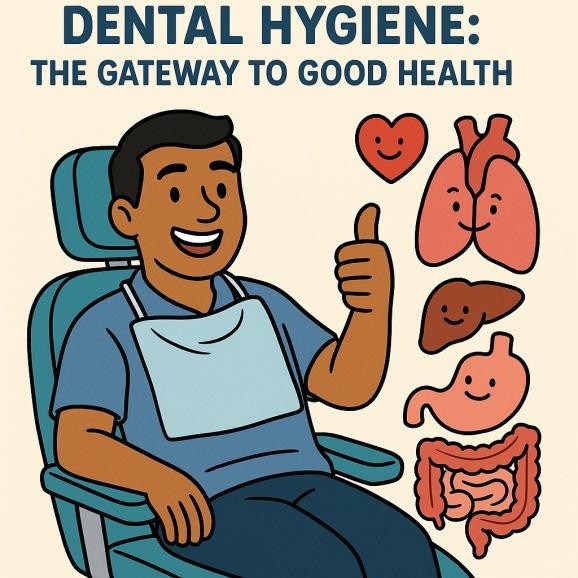
- Heart disease – bacteria from the mouth may enter the bloodstream and contribute to heart inflammation.
- Type 2 diabetes – gum disease can make blood sugar harder to control.
- Lung infections – poor oral hygiene increases the risk of pneumonia, especially in older men.
- Poor nutrition – sore gums or missing teeth can make it harder to eat healthy foods.
How Often Should Men Go to the Dentist?
- At least once every 12 months – even if you have no pain.
- Some people need to go every 6 months (e.g. smokers, men with diabetes or gum disease).
- See a dentist as soon as possible if you have:
- Tooth pain or sensitivity
- Bleeding or receding gums
- Bad breath that won’t go away
- A broken, chipped, or loose tooth
How to Keep Your Teeth and Gums Healthy
- Brush twice a day with fluoride toothpaste.
- Floss or use interdental brushes before bed.
- Cut back on sugary food and drinks, especially soft drinks and sports drinks.
- Drink tap water – it contains fluoride, which protects your teeth.
- Avoid smoking – it increases the risk of gum disease and oral cancer.
- See your dentist regularly, even if you feel fine.
Where to Get Help in South Australia
Depending on your situation, you may be eligible for publicly funded dental care, but generally, for most people care can be accessed through a private dental service, and covered in-whole or in-part by your private health insurance extras-cover, if you have it.
Public Dental Services (SA Dental)
-
- Offers free or low-cost dental care for eligible adults (e.g. Health Care Card or Pensioner Concession Card holders).
- Call: 1300 008 222
- www.dental.sa.gov.au
- Aboriginal Community Controlled Health Services
- Culturally safe dental care is available through clinics like:
- Nunkuwarrin Yunti (Adelaide): (08) 8406 1600
- Watto Purrunna (northern suburbs): (08) 8287 5144
- Pangula Mannamurna (Mount Gambier): (08) 8724 7270
- Culturally safe dental care is available through clinics like:
Private Dentists
-
- For men not eligible for public dental, many private dentists offer payment plans or annual check-up packages.
Taking care of your teeth is a simple but powerful way to protect your overall health. Your dentist is there to help – not judge. A regular check-up could prevent future pain, save you money, and improve your long-term wellbeing.